If you want a Napa lifestyle that feels social, walkable, and closely tied to the river, Downtown Napa’s Riverfront District stands out right away. You are not just choosing a place near restaurants and tasting rooms. You are choosing a daily rhythm shaped by waterfront access, mixed-use living, and an active downtown core. This guide will help you picture what everyday life here can actually feel like, from morning coffee runs to evening plans and practical tradeoffs. Let’s dive in.
Where the Riverfront District Sits
Downtown Napa’s riverfront is on the east edge of the city’s Downtown Neighborhood. The City of Napa describes that downtown neighborhood as bounded by the Napa River on the east, Division and Third streets on the south, and Jefferson Street on the west, with a planning area of about 210 acres.
Within that larger area, the Riverfront District centers on South Main between Third and Fifth streets. The historic Napa Mill and the modern Riverfront building help anchor the district, giving it a blend of old Napa character and updated urban convenience.
What this means for you is simple. This is not a separate waterfront enclave cut off from daily life. It is part of a mixed-use downtown setting where homes, shops, dining, and entertainment all sit close together.
What Daily Life Feels Like
The Riverfront District has a steady, social energy that carries from daytime into the evening. Riverfront Napa describes the area around fine dining, boutique shopping, art, hospitality, and live entertainment, which helps explain why the district feels active beyond just business hours.
If you live nearby, your routine can feel easy to picture. You might start with coffee at Napa Valley Coffee Roasting Company, handle a few errands downtown, then meet friends for dinner or a drink along the river later in the day.
That mix is a big part of the appeal. The district supports everyday convenience, but it also gives you a lifestyle setting that feels a little more elevated than a purely residential neighborhood.
Dining and evening plans
The Riverfront business mix includes restaurants and gathering spots such as Morimoto Napa, Los Agaves, The Waterfront Seafood Grill, and Normandie Restaurant & Bar. These businesses help shape the area’s identity as a place where people linger, dine out, and make the most of the river setting.
Morimoto Asia Napa highlights a lively bar scene, craft cocktails, river views, and indoor-outdoor dining. The Waterfront Seafood Grill features a riverwalk patio and outdoor bar, while Normandie Restaurant & Bar is being positioned as a wine-focused and cocktail-forward fine dining concept.
For you, that means evenings can be simple. Instead of planning a full outing with lots of driving, you may be able to walk to dinner, meet friends nearby, or enjoy the waterfront atmosphere without leaving downtown.
Spaces to gather and linger
The district also includes places that support a slower, more flexible pace. Sidestreet Cigar is described as a private downtown lounge with room for gathering, remote work, and socializing.
Even if that specific setting is not your style, it points to something important about the area. The Riverfront District is not only built for quick visits. It is a place where people spend time, settle in, and make the most of the day.
Everyday errands and culture nearby
One of the strongest advantages of living near the Riverfront District is that practical stops and cultural venues are close together. The City of Napa says downtown residents can walk to Oxbow Public Market, the seasonal farmers market, the historic Napa Valley Opera House, and a mix of boutique and national-name shopping.
That matters if you want a neighborhood that feels useful, not just scenic. You can combine errands, meals, and entertainment in one part of town rather than driving between scattered destinations.
For many buyers, this is where downtown Napa living starts to make the most sense. You get access to a lifestyle that supports both daily convenience and weekend enjoyment.
River access shapes the neighborhood
The river is not just a backdrop here. It is part of how the district functions and how people use the area.
The Main Street Boat Dock sits at the Riverfront on Main Street between Third and Fifth streets. The City of Napa says it allows short-term mooring and launch access for non-motorized craft, though overnight mooring is not allowed.
The downtown waterfront also supports kayaks, private river cruises, and gondola rides. In addition, the Jim Hench Memorial Kayak Launch under the First Street Bridge at Oxbow Commons gives paddlers another public entry point to the Napa River.
For you, this means the waterfront stays public-facing and active. It is not a private edge of town. It is a shared part of downtown Napa, with real recreational access built into everyday life.
Getting around in and beyond downtown
You can live with less driving in the Riverfront District than in many other parts of Napa, especially for dining, shopping, and leisure. Still, the City of Napa notes that Napa remains a car-first city overall.
That is an important expectation to keep in mind. You may be able to walk to many daily destinations downtown, but you will likely still use a car regularly for broader travel across Napa County and beyond.
Transit and bike options
For local travel, transit is coordinated by the Napa Valley Transportation Authority, with The Vine serving as the primary fixed-route bus system. The city also points to the Commuter Bike Path as a quick north-south off-street connection.
Looking ahead, the city says the future Napa River Trail is planned to provide six miles of continuous bicycle and pedestrian path from Kennedy Park to Trancas Street. That long-term vision supports the idea of a more connected riverfront over time.
The RiverLine’s long-term vision
The City of Napa describes the Napa RiverLine as a scenic, water-oriented walkway designed to improve river access and create environmental, recreational, social, historic, and economic benefits. The city also notes that a strategic plan was developed from July 2024 to August 2025 to guide future implementation.
For buyers, that does not mean an overnight transformation. It does suggest that the city sees the riverfront as an important public asset and plans to keep improving how people experience it.
Housing near the Riverfront
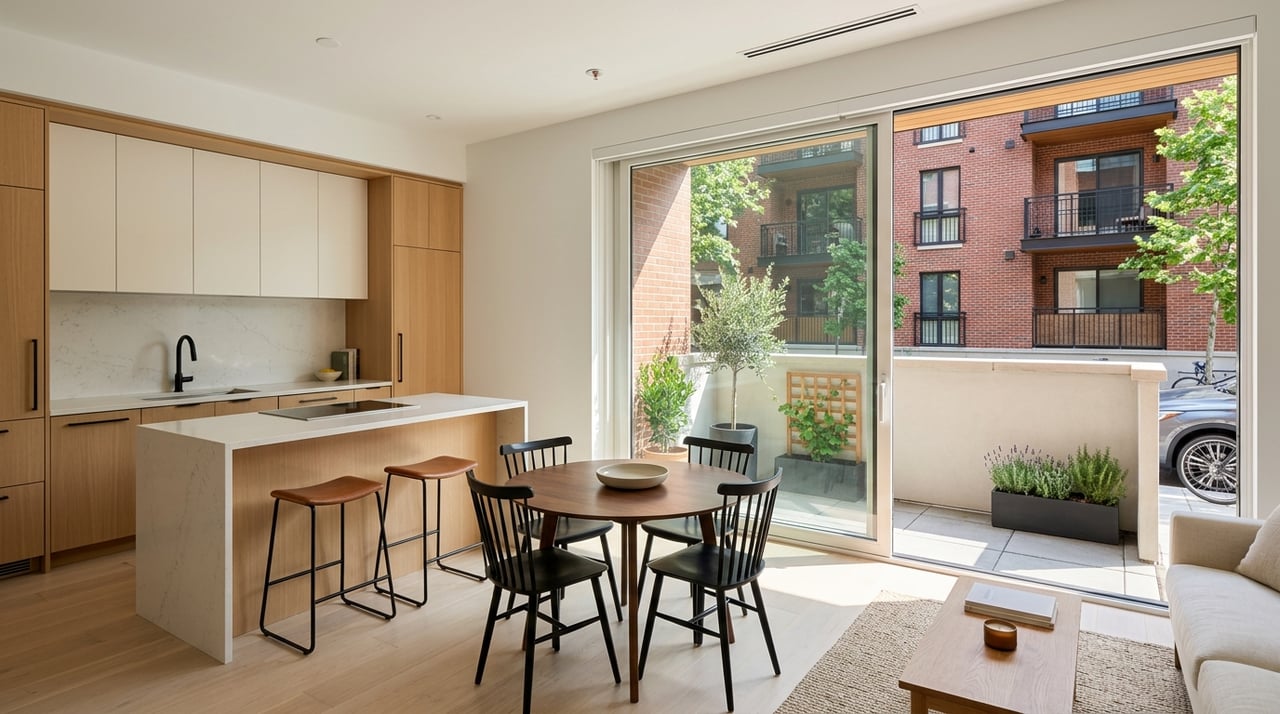
The housing mix near downtown Napa reflects the area’s urban, mixed-use setting. In the immediate core, the First Street Napa Phase II project includes up to 78 residential condominium units along with a hotel.
Nearby, the South Oxbow proposal calls for about 131 for-sale homes in interlocking townhouses, side-by-side townhouses, and stacked flats on 6.7 acres. Together, these projects show the range of housing types that fit the district and its edges.
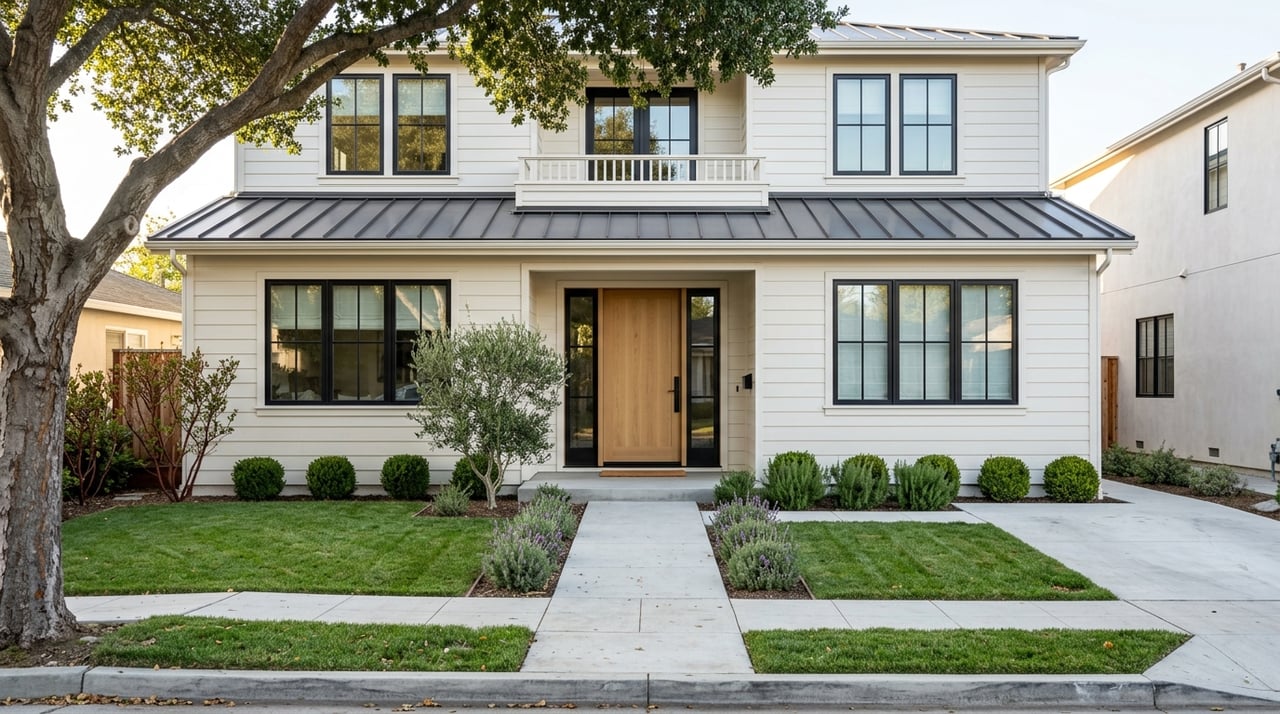
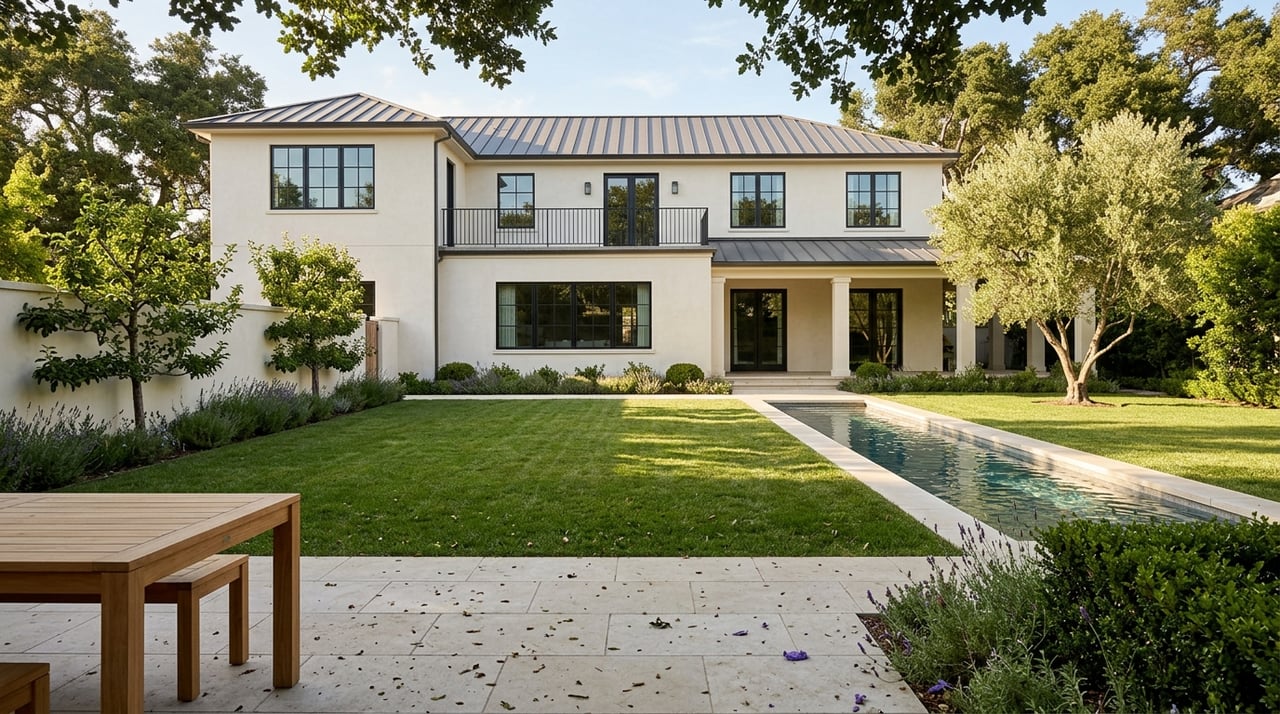
If you are searching near the riverfront, you are more likely to see condos, townhome-style living, and mixed-use residential options than large lots with expansive yards. That can be a strong fit if you value location, lower-maintenance living, and easier access to downtown activity.
Nearby residential pockets
If you want to stay close to downtown but prefer a more traditional residential feel, nearby areas offer a different setting. Fuller Park, just south of downtown, is described in the city’s historic documentation as a primarily residential neighborhood with wood-frame single-family homes built mostly between 1870 and 1920.
Alta Heights, east of the river, is known for varied architecture. The city also notes that its elevated setting has often been appreciated during Napa River floods.
These nearby pockets can appeal if you want quick access to downtown Napa while still focusing your search on more conventional single-family homes.
Tradeoffs to think through
Every neighborhood choice comes with tradeoffs, and the Riverfront District is no exception. For many buyers, the biggest upside is walkability, paired with a lock-and-leave style of living and close access to dining, culture, and events.
The tradeoff is that downtown living usually brings more visitor activity and less private outdoor space. Depending on the exact location, you may also notice periodic construction or infrastructure work nearby.
That is especially relevant because the area is shaped by ongoing planning and public investment. The county’s Napa River and Napa Creek Flood Protection Project includes 100-year flood protection elements, and floodwalls north of the bypass are scheduled for construction in 2026.
For you, the key is to weigh lifestyle against privacy and pace. If you want a home base that keeps you close to the heart of Napa, the Riverfront District can be very compelling.
Who the Riverfront lifestyle fits best
This area often fits buyers who want an easy downtown rhythm and do not need a large yard or a quieter residential setting. You may be drawn to the Riverfront District if you value being able to walk to meals, markets, entertainment, and the river itself.
It can also make sense if you spend part of the year elsewhere or simply want a more flexible, lower-maintenance home base in Wine Country. The mixed-use housing pattern and central location support that kind of lifestyle well.
If, on the other hand, you want more separation from activity or more outdoor space at home, nearby neighborhoods may be worth comparing. The best fit depends on how you want your day-to-day life to feel.
If you are thinking about buying or selling near Downtown Napa, the Christen Hamilton Team can help you compare riverfront living with nearby residential options and build a strategy that fits your goals.
FAQs
What is Downtown Napa’s Riverfront District like for everyday living?
- It feels like a compact downtown environment with mixed-use buildings, restaurants, shops, cultural venues, and public river access all close together.
Can you live car-light in Downtown Napa’s Riverfront District?
- Yes, for many downtown errands, dining, and leisure activities, but the City of Napa says Napa is still a car-first city overall.
What kinds of homes are near Downtown Napa’s Riverfront District?
- The closest housing options include condos and mixed-use residential units in the core, with townhouses and stacked flats nearby and older single-family homes in surrounding residential pockets.
Is the Napa riverfront public in downtown Napa?
- Yes, public access is a major part of the area, including the Main Street Boat Dock, kayak launch points, and planned river-oriented trail improvements.
What are the tradeoffs of living near Downtown Napa’s Riverfront District?
- The main benefits are walkability, lower-maintenance living, and quick access to restaurants and events, while tradeoffs can include less yard space, more visitor activity, and nearby construction or infrastructure work.