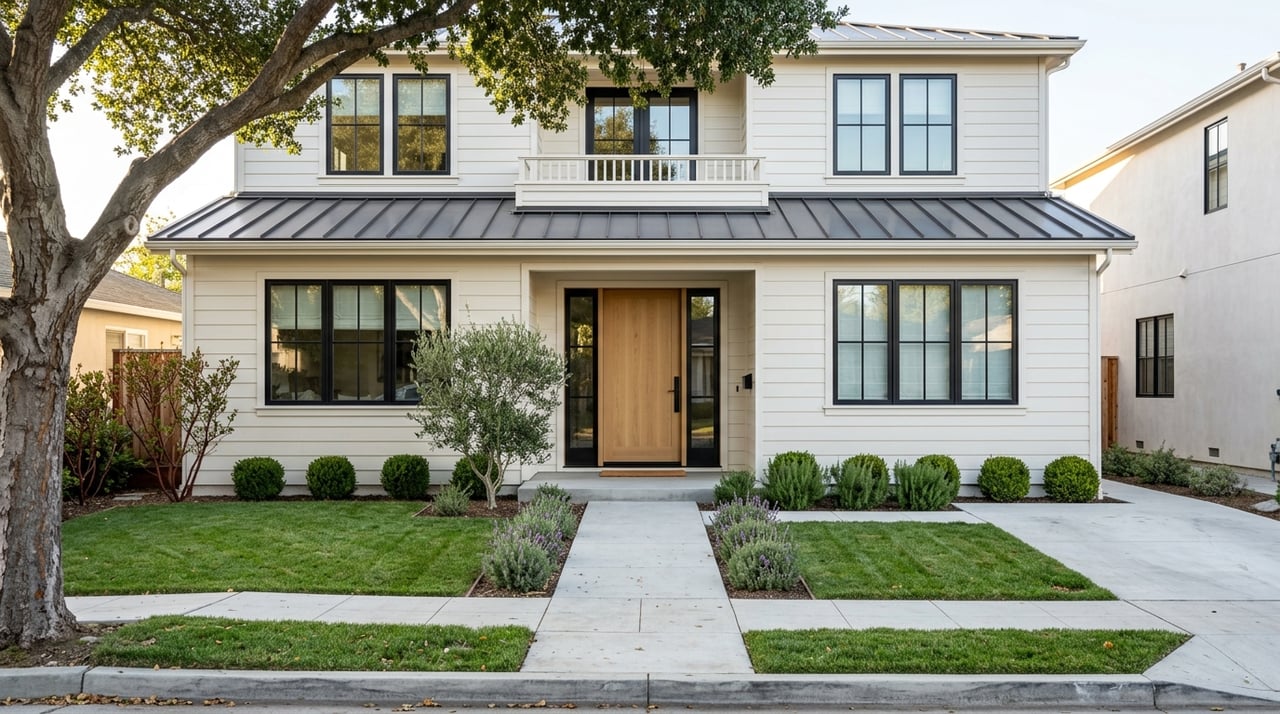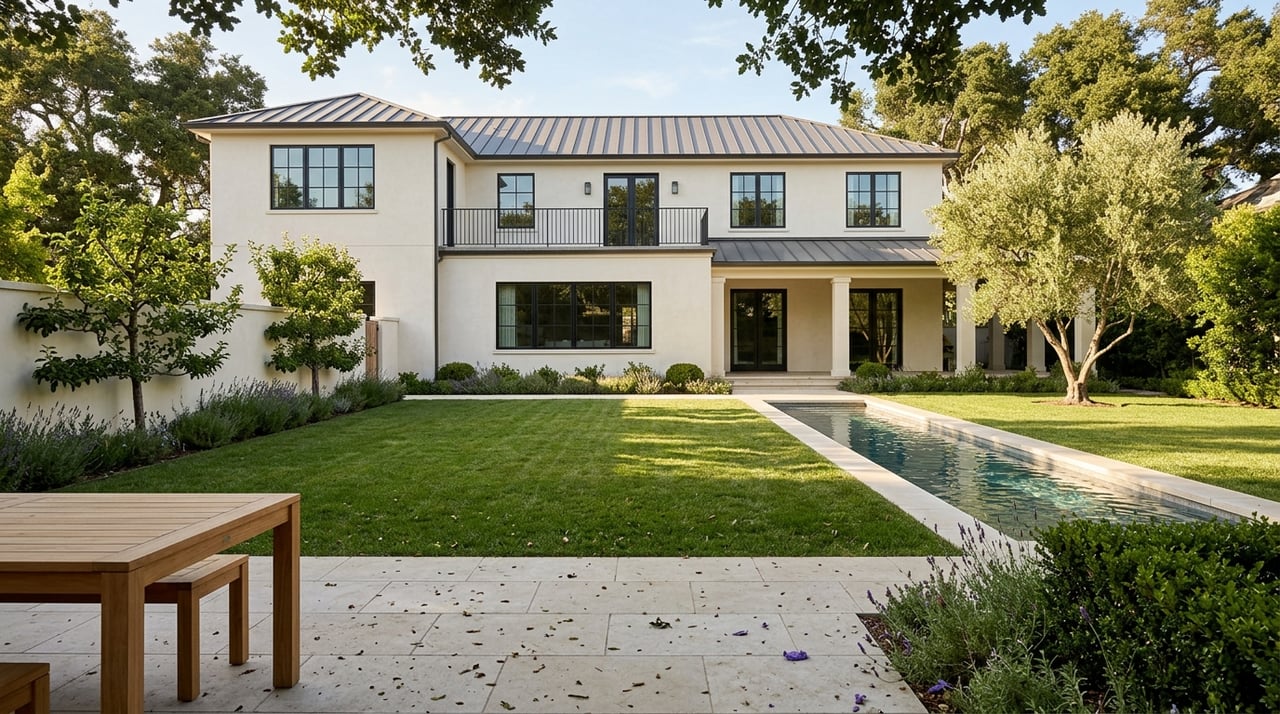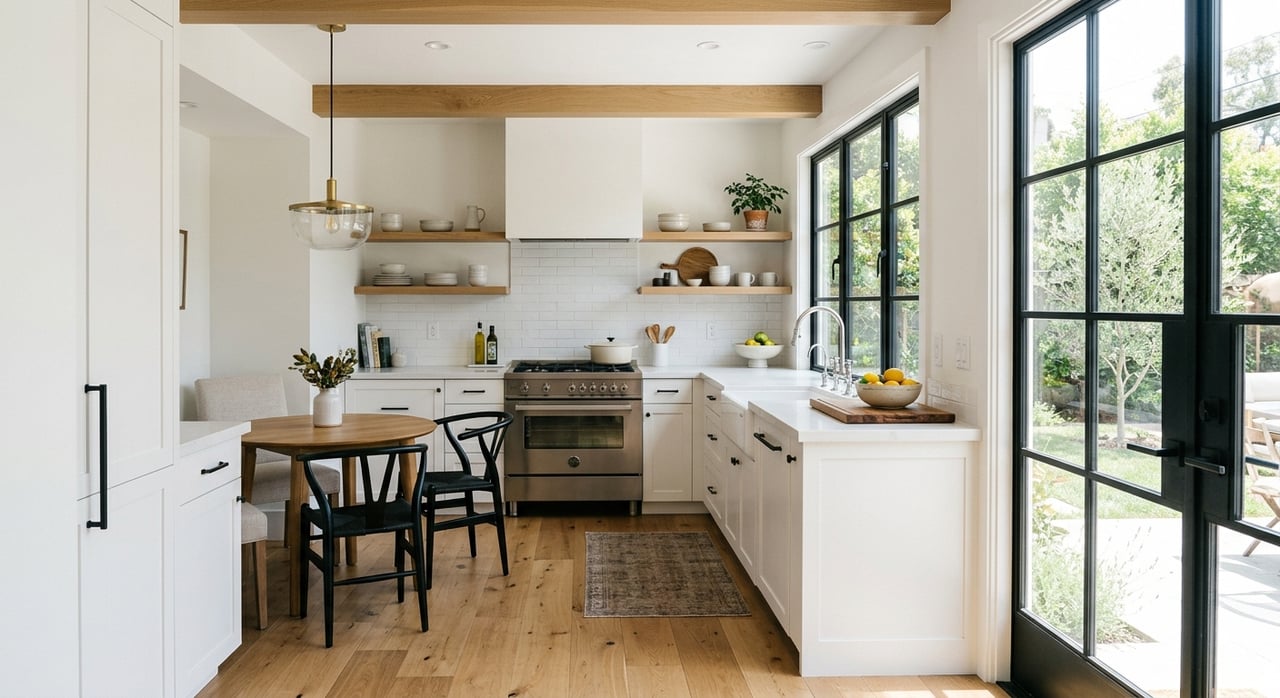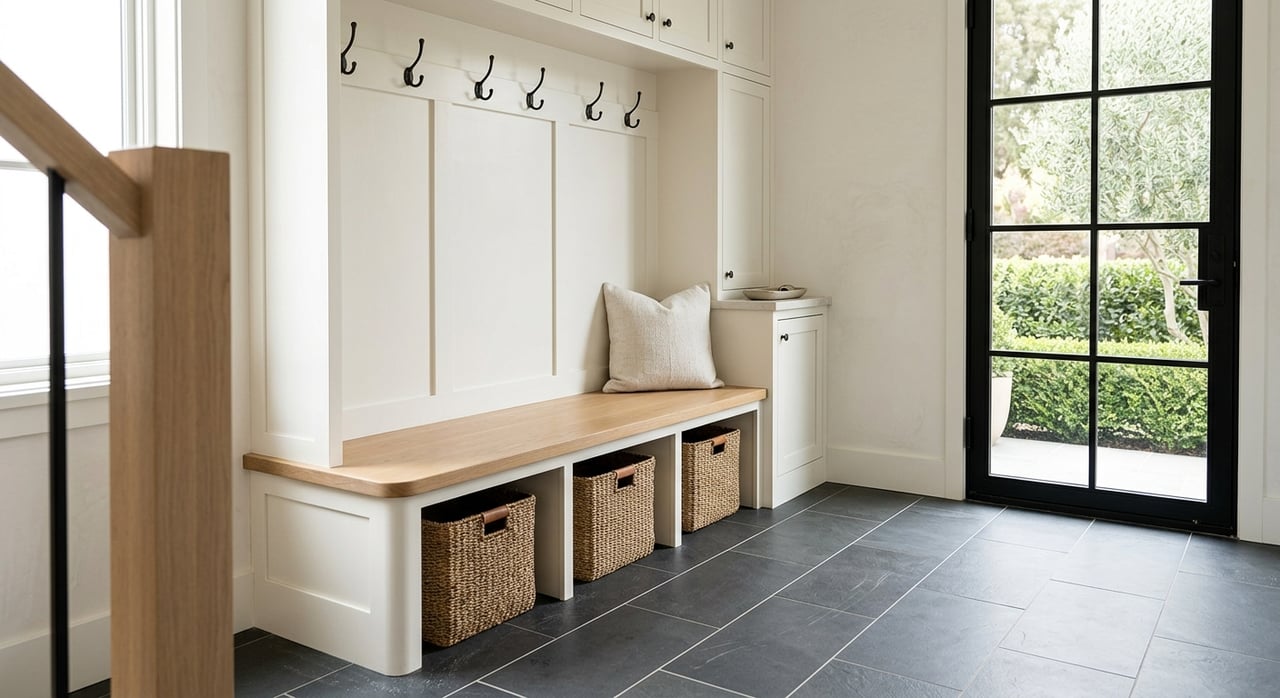
Craving a Wine Country escape you can slip into on Friday and lock up on Sunday? A second home or pied-à-terre in Napa puts you close to world-class dining, wineries, and outdoor beauty without a full-time move. You want the lifestyle, but you also want clarity on rules, financing, insurance, taxes, and smart due diligence.
This guide gives you a clear path. You’ll learn which property types fit a lock-and-leave lifestyle, how Napa’s short-term rental rules work, what lenders look for on second homes, and how to budget for wildfire and operating costs. Let’s dive in.
Why Napa for a second home
Napa County home values trend above national averages, with many properties priced in the high six to seven figures. That often means jumbo financing and careful underwriting for higher-end purchases. You’ll find that Napa draws Bay Area buyers and out-of-state owners who want weekend access to food, wine, and wellness. Market trackers show values that support this trend.
If you plan this right, you can enjoy easy arrivals, simple upkeep, and confidence that you bought a property aligned with local rules and your long-term plans.
Pick the right property
Lock-and-leave condos or townhomes
These are popular for minimal upkeep. Look for elevator access, gated entries, on-site or managed security, and HOAs that handle exterior maintenance. Review the CC&Rs, recent meeting minutes, reserve studies, and any special assessments. Also check rental clauses so you understand whether short-term rentals are allowed or restricted by the association.
Small, easy-care single-family homes
Compact lots and simple landscaping make these homes easy to secure and maintain. Confirm whether the home is on municipal sewer and water or uses septic and well systems. In Napa’s fire-prone zones, expect defensible-space obligations and ongoing fuel management. The county’s defensible-space rules are a must-read before you buy. See Napa County’s fire hazard and defensible-space guidance.
Small estates or vineyard-capable parcels
These properties offer privacy and setting, but they come with higher carrying costs and more complex systems. Expect irrigation needs, water and septic considerations, and different zoning or permitting standards depending on whether the property lies within an incorporated city or the unincorporated county. If vineyard potential is on your wish list, plan for specialized due diligence.
Know the short-term rental rules
City of Napa permits
The City of Napa runs a capped, permit-based vacation rental program with hosted and non-hosted permits. The city has reported pauses on new applications with waitlists in place, which makes existing non-hosted permits scarce and potentially valuable. Some non-hosted permits are transferable to a new owner. Always confirm status and transferability in writing through the city’s program. Review the City of Napa Vacation Rental Permits.
Unincorporated Napa County
Short-term rentals under 30 days are generally prohibited in most unincorporated areas. Enforcement has occurred in prior years. Before you fall in love with a rural home, confirm the parcel’s jurisdiction and rules. See the county’s zoning background and actions on transient occupancy in Board materials that outline the prohibition.
Taxes on stays under 30 days
If you legally rent for fewer than 30 days in the City of Napa, you must collect and remit local taxes. The city shows a 12 percent Transient Occupancy Tax and additional assessments, including the 2 percent Tourism Improvement District assessment, on its remittance form. Review the City of Napa TOT remittance form. In unincorporated Napa County, the posted TOT is 13 percent; operators register with the county tax administrator. See the County TOT page.
Finance your Napa purchase
Second home vs. investment classification
Lenders treat second homes differently from investments. A second home is typically a one-unit property you will occupy for part of the year, suitable for year-round use, and not controlled by a rental management agreement. Rental income usually cannot be used to qualify for a second-home loan. These rules affect your rates, allowed loan-to-value, and approval path. Review the Fannie Mae definitions for occupancy types.
Down payment and reserves
For conforming conventional second-home loans, expect at least about 10 percent down. Many lenders and most jumbo programs will require 20 percent or more, especially at higher price points. Second-home loans commonly require documented liquid reserves measured in months of principal, interest, taxes, insurance, and HOA dues. For a practical overview, see this second-home buying guide from a national lender.
Preapproval checklist
Have these ready before you tour:
- Two years of tax returns and recent pay stubs or equivalent income docs.
- Recent bank and asset statements to verify down payment and reserves.
- Clarity on rental plans, since projected nightly revenue typically cannot be used to qualify for a second-home loan.
- An early read on whether your price point requires a jumbo loan.
Plan for insurance and wildfire
Wildfire exposure and upkeep
Parts of Napa fall into higher-severity fire zones. That can influence insurance options, required building-hardening, and your annual maintenance budget for defensible space. Get a site-specific wildfire assessment during due diligence and confirm any local fuel-management rules. Start with Napa County’s defensible-space guidance.
Getting coverage
Private insurers may limit or nonrenew coverage in higher-risk zones. If you cannot secure a private policy, the California FAIR Plan serves as the insurer of last resort. Many owners pair it with supplemental wrap coverage for broader protection. Get quotes early so there are no surprises at closing. Learn more about the California FAIR Plan.
Budget ongoing costs
Build a realistic annual budget so the property feels effortless to own.
- HOA dues: Know what is included and whether any special assessments are pending.
- Property services: Cleaning, landscaping, seasonal maintenance, and lock-and-leave checkups.
- Utilities and systems: Confirm whether the home is on sewer and municipal water or has septic and well systems. Get inspections where relevant.
- Insurance: Account for potential wildfire deductibles or FAIR Plan pricing.
- Taxes and fees: If you rent within city rules, include TOT and TID assessments in your pro forma.
Taxes to understand
- Mortgage interest: Interest on a qualified second home may be deductible on Schedule A, subject to federal acquisition-debt limits and the SALT cap. Discuss details with your CPA.
- The 14-day rule: If you rent your personal residence for 14 days or fewer in a year, that income is generally not reportable. Rent more than 14 days and vacation-home rules apply for income and expense allocation. See relevant IRS publications.
- Selling later: The primary-residence §121 exclusion does not usually apply to a second home unless you convert it and meet ownership and use tests. Plan the exit strategy early with a tax advisor.
- Property taxes: California’s Prop 13 caps base rates and annual increases, but a change in ownership triggers reassessment and may generate supplemental tax bills. Budget for those after closing.
Due diligence checklist
Use this roadmap before you write an offer or as contract contingencies:
- Confirm jurisdiction: City of Napa vs. unincorporated county or another city. STR rules and taxes differ. Start with the City of Napa vacation rental program.
- Verify vacation-rental status: If nightly rentals are essential, confirm there is an existing, transferable non-hosted City of Napa permit. Get permit numbers in writing. If outside city limits, review county rules in the Board materials.
- Review HOA docs: CC&Rs, rules, rental clauses, reserve study, and recent meeting minutes. Confirm any pending amendments or special assessments.
- Order insurance quotes: Get homeowners and liability quotes early and confirm wildfire deductibles. Review FAIR Plan options if needed.
- Lock in preapproval: Make sure your lender models second-home rules, down payment, reserves, and any jumbo needs. Clarify whether rental income will be considered.
- Map fire risk: Request a site review and confirm defensible-space obligations per county guidance.
- Plan taxes and exit: Ask your CPA about the 14-day rule, depreciation if applicable, and potential capital-gains treatment. Review IRS publications.
- Inspect systems: Order septic, well, roof, and HVAC inspections as relevant. Confirm landscaping and irrigation responsibilities if the HOA or vendors are involved.
Ready to explore properties that fit your goals and the rules? Tap a local, relationship-driven team that knows how to navigate Wine Country details and deliver a smooth, confidential process. Reach out to the Christen Hamilton Team to start your Napa second-home conversation.
FAQs
Can you rent a Napa home nightly as a second-home owner?
- In the City of Napa, only if the property has a valid city vacation-rental permit; in most unincorporated areas, short-term rentals under 30 days are generally prohibited, so confirm jurisdiction first.
How much down payment do lenders require for a second home in Napa?
- Many programs expect at least about 10 percent down on conforming loans, while jumbo loans or higher price points often require 20 percent or more, plus documented reserves.
What counts as a second home for loan purposes?
- A second home is typically a one-unit property you will use part of the year, suitable for year-round occupancy, and not controlled by a rental management agreement; rental income usually cannot be used to qualify.
Is homeowners insurance available in wildfire zones around Napa?
- Yes, but pricing and availability vary by risk; if private coverage is unavailable, the California FAIR Plan is a last-resort option that you can pair with supplemental coverage.
Do you owe transient occupancy tax on short stays?
- If you legally rent for fewer than 30 days, you must register and remit TOT based on the property’s jurisdiction, such as the City of Napa’s 12 percent TOT plus assessments or the county’s posted 13 percent rate.